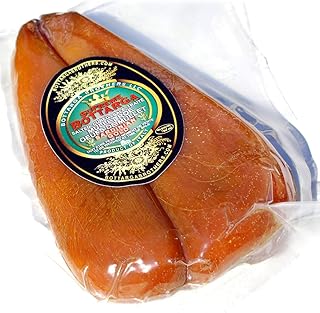
In the world of gourmet ingredients, few possess the mystique and intense flavor profile of Bottarga. Often referred to as "Sardinian Gold," this salted, cured fish roe has been a cornerstone of Mediterranean cuisine for centuries, particularly in the coastal regions of Italy. Its unique umami-rich taste, a complex blend of the sea's salinity and a deep, savory nuttiness, elevates simple dishes into extraordinary culinary experiences. While its origins are humble, born from the necessity of preserving the precious roe of grey mullet or tuna, today Bottarga is celebrated by chefs and food enthusiasts worldwide as a luxurious pantry staple.
The Heart of Bottarga: Sardinia and Sicily
The island of Sardinia is the undisputed epicenter of premium Bottarga production. Here, traditional methods passed down through generations ensure the highest quality. The process begins with the careful extraction of the roe sacs from grey mullet (Muggine) or, in Sicily, from the prized Bluefin Tuna. The sacs are then massaged by hand to remove any membranes, lightly salted, and pressed between wooden boards. They are then slowly air-dried for several weeks, a patient process that concentrates the flavors and creates the firm, waxy texture that is characteristic of authentic Italian Bottarga. For a deeper dive into this tradition, our guide on Sardinian tradition offers fascinating insights.
Whole vs. Grated: Choosing Your Format
Bottarga comes in two primary forms, each suited to different uses. The whole roe sac, like the magnificent Bottarga Di Muggine from L'Oro di Cabras or the substantial Smeralda Whole Bottarga, is a show-stopping ingredient. It allows you to grate it fresh over dishes, releasing its maximum aroma and flavor. This is the choice for purists and for creating dramatic presentation. On the other hand, pre-grated Bottarga, such as the convenient Sardinian Grated Bottarga or the elegant Le Mareviglie Grated Bottarga, offers unparalleled convenience for everyday cooking, making it easy to sprinkle over pasta, salads, or eggs without any extra prep.
Culinary Applications: Unleashing Umami
The beauty of Bottarga lies in its versatility. Its primary role is as a finishing touch, a flavor amplifier that should never be cooked directly with high heat. The classic application is over pasta. Simply toss al dente spaghetti with olive oil, garlic, and a pinch of chili flakes, then finish with a generous snowfall of freshly grated mullet roe. It's also sublime shaved over creamy risotto, sprinkled on top of bruschetta with ripe tomatoes, or mixed into soft scrambled eggs or a simple frittata. For a Sicilian twist, try the uniquely flavored Sicilian Grated Bluefin Tuna Bottarga over a citrusy salad. Discover more inspiration in our guide to using grated Bottarga.
Selecting and Storing Your Premium Bottarga
When selecting Bottarga, look for products that specify their origin. Sardinian varieties are considered the gold standard. The exterior should be smooth and firm, with a deep amber to dark red hue. It should have a pleasant, briny ocean scent without any overly fishy notes. For those seeking Kosher Bottarga, the "Sardinian Gold" Kosher line offers authentic quality in various sizes, from approximately 3oz to over 6oz. Another excellent choice is the Sanniti Bottarga Cured Mullet Roe, known for its consistent quality. Once opened, wrap whole Bottarga tightly in parchment paper and then in foil, storing it in the refrigerator. Grated versions should be kept in a sealed container in a cool, dark place. For detailed selection tips, our comprehensive selection guide is an invaluable resource.
Incorporating Bottarga into your cooking is an invitation to explore the depths of Mediterranean flavor. Whether you choose a whole sac to grate at the table or a jar of pre-grated luxury for quick weeknight meals, this seafood caviar promises to transform your dishes with its unparalleled umami punch. It's more than an ingredient; it's a taste of Sardinian sunshine and sea, captured in a golden, savory treasure.